
 current location:
First, there is a problem with the sealing of the piston-cylinder liner, the oil goes up, enters the combustion chamber for combustion, and the exhaust emits blue smoke;
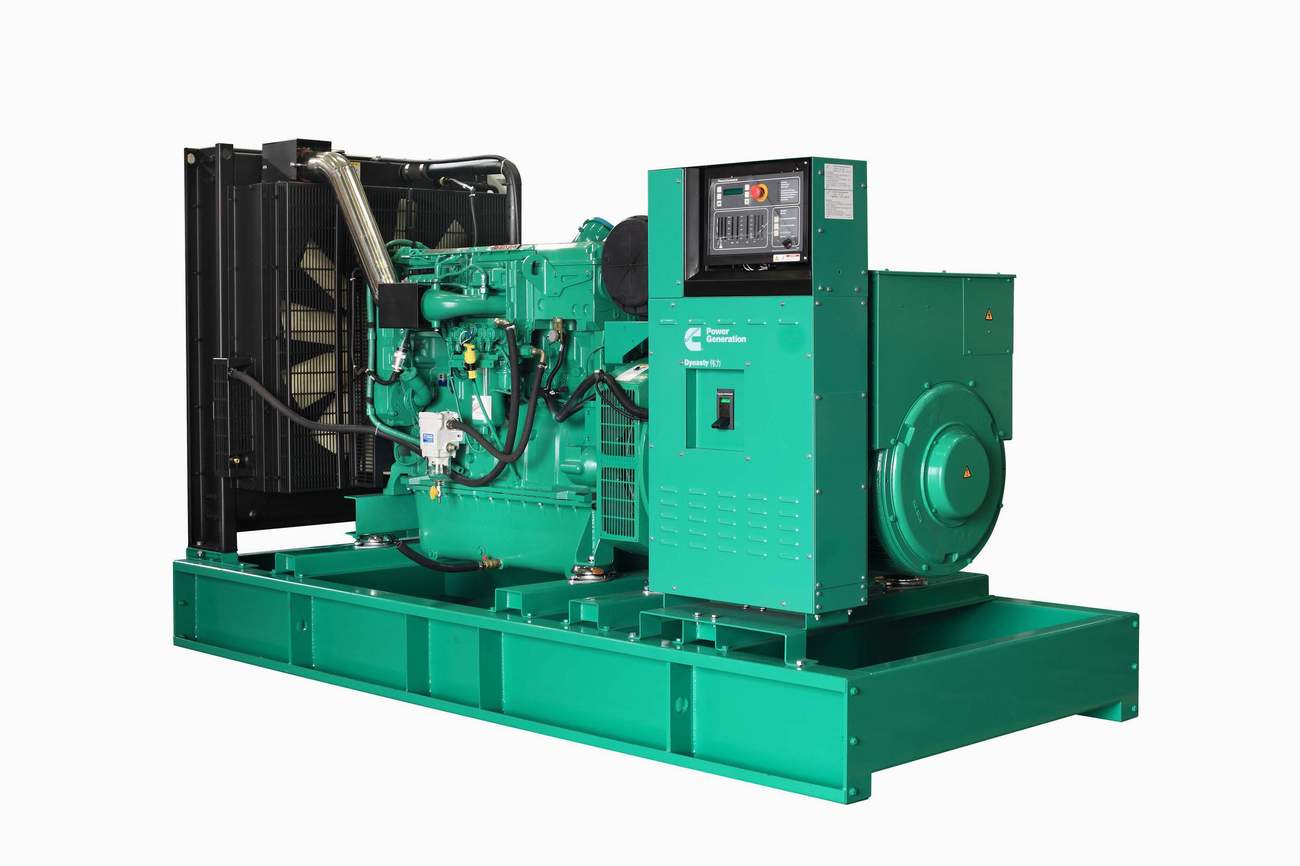
If the turbocharged diesel generator, due to the small load, the booster pressure is low. It is easy to cause the sealing effect of the turbocharger oil seal (non-contact) to decrease, and the oil enters the booster chamber and enters the cylinder with the intake air;
3. Part of the oil that goes up to the cylinder participates in the combustion, some of the oil cannot be completely burned, and carbon deposits are formed in the valves, intake ports, piston tops, piston rings, etc., and some are discharged with the exhaust. In this way, oil will gradually accumulate in the exhaust passage of the cylinder liner, and carbon deposits will also form;
IV. When the oil in the supercharger room accumulates to a certain extent, it will leak out from the joint surface of the supercharger.
The long-term low-load operation of the generator will lead to more serious wear and tear of the moving parts of the generator set, and the deterioration of the engine combustion environment, which will lead to the advance of the overhaul period.
These effects will seriously endanger the performance and service life of the Cummins generator set. It is necessary to have a good understanding of this. Whether it is the use of naturally aspirated or supercharged diesel generators, the low-load/no-load operation time should be minimized, and the minimum load should not be less than 25% -30% of the rated power of the unit.